
Predictive Vehicle Maintenance in 2026: How Smart Diagnostics Are Reducing Breakdown Costs
May 26, 2026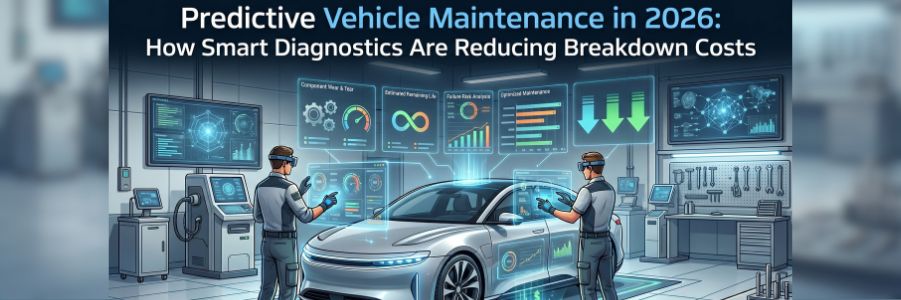
Vehicle maintenance is changing dramatically in 2026 as artificial intelligence and smart diagnostic systems become more advanced. Modern vehicles are now capable of monitoring their own health in real time, helping drivers identify problems before major breakdowns occur.
This technology, known as predictive vehicle maintenance, is transforming the automotive industry by reducing repair costs, improving reliability, and preventing unexpected failures. Instead of waiting for warning lights or complete mechanical breakdowns, smart systems now analyze vehicle performance continuously and alert drivers early when components begin showing signs of wear.
As repair expenses continue increasing, many drivers are combining predictive maintenance with cost-saving solutions such as reliable Used Engine replacements and professionally tested affordable used engines to extend vehicle lifespan without overspending.
This article explains how predictive vehicle maintenance works, why it is becoming essential in 2026, and how smart diagnostics are helping drivers avoid expensive repairs and breakdowns.
What Is Predictive Vehicle Maintenance?
Predictive maintenance uses:
- Artificial intelligence
- Real-time sensors
- Vehicle data analysis
- Cloud-based diagnostics
to monitor a vehicle’s condition continuously.
Instead of relying only on scheduled maintenance intervals, predictive systems analyze:
- Engine performance
- Transmission behavior
- Battery condition
- Fluid temperatures
- Fuel efficiency
- Driving habits
The goal is to identify potential problems before failure occurs.
Why Predictive Maintenance Is Growing in 2026
Modern vehicles are far more advanced than older models. Today’s vehicles contain:
- AI-powered control systems
- Electronic sensors
- Hybrid drivetrains
- Turbocharged engines
- Smart connectivity features
As automotive technology becomes more complex, repair costs also increase significantly.
Predictive maintenance helps reduce:
- Unexpected breakdowns
- Major engine damage
- Emergency repair expenses
- Vehicle downtime
This makes it increasingly valuable for drivers and fleet operators alike.
How Smart Diagnostics Work
Modern diagnostic systems collect information from hundreds of sensors throughout the vehicle. These systems monitor:
- Oil pressure
- Engine temperature
- Fuel system efficiency
- Transmission shifting
- Brake performance
- Battery voltage
- Emissions systems
AI software then analyzes this data to identify abnormal behavior patterns.
If the system detects a developing issue, it can alert the driver before serious damage occurs.
Why Engine Failures Are So Expensive
Modern engines contain advanced technology such as:
- Direct fuel injection
- Turbochargers
- Variable valve timing
- Electronic engine management
Because of this complexity, engine repairs can become extremely expensive.
Major engine failures often require:
- Complete engine replacement
- Internal rebuilding
- Electronic calibration
- Sensor replacement
Many drivers now choose a dependable Used Engine as a more affordable alternative to purchasing a brand-new engine.
How Predictive Diagnostics Prevent Engine Damage
Smart maintenance systems can detect early warning signs such as:
- Abnormal engine vibrations
- Overheating patterns
- Oil pressure irregularities
- Fuel mixture issues
- Timing inconsistencies
By identifying these problems early, drivers can:
- Perform repairs sooner
- Prevent catastrophic failures
- Avoid roadside breakdowns
- Extend engine lifespan
Preventive repairs are usually far less expensive than major engine replacement.
Why Affordable Used Engines Are in High Demand
When engine replacement becomes necessary, many drivers now choose affordable used engines instead of costly new factory engines.
Used engines offer:
- Lower replacement costs
- OEM compatibility
- Faster availability
- Reliable long-term performance
Professionally inspected low-mileage used engines often provide excellent value for modern vehicle repairs.
Why Fleet Companies Depend on Predictive Maintenance
Commercial fleets rely heavily on vehicle uptime.
Breakdowns can cause:
- Delivery delays
- Lost revenue
- Expensive towing costs
- Missed business operations
Predictive maintenance helps fleet managers:
- Monitor vehicle health remotely
- Schedule repairs proactively
- Reduce downtime
- Improve operating efficiency
This technology is becoming essential for logistics and transportation companies in 2026.
Importance of AI in Modern Repairs
Artificial intelligence improves repair accuracy by:
- Detecting hidden problems
- Predicting component wear
- Monitoring driving conditions
- Analyzing historical repair data
AI systems can often identify failures long before traditional inspections notice any visible symptoms.
Why Drivers Are Keeping Vehicles Longer
New vehicle prices continue rising rapidly due to:
- Inflation
- Supply chain shortages
- Advanced technology costs
As a result, more drivers are:
- Maintaining vehicles longer
- Replacing engines instead of buying new cars
- Investing in preventive maintenance
Reliable predictive diagnostics help maximize vehicle lifespan and reduce long-term ownership costs.
Common Problems Predictive Maintenance Can Detect
Modern systems can identify:
- Battery deterioration
- Transmission slipping
- Cooling system failures
- Brake wear
- Sensor malfunctions
- Engine misfires
- Fuel injector problems
Early detection reduces the chance of severe damage significantly.
Why Hybrid and EV Vehicles Need Smart Diagnostics
Hybrid and electric vehicles rely heavily on:
- Battery systems
- Electronic control modules
- Regenerative braking
- Advanced software integration
These systems generate massive amounts of operational data.
Predictive diagnostics help monitor:
- Battery health
- Charging efficiency
- Thermal management
- Powertrain stability
This technology is especially important for newer vehicle platforms.
Why Repair Costs Continue Rising
Modern automotive repairs often require:
- Specialized diagnostic tools
- Software programming
- Electronic calibration
- Advanced technician training
Labor and replacement parts continue becoming more expensive every year.
Using predictive diagnostics helps drivers reduce repair severity and lower overall costs.
Signs Your Vehicle Needs Immediate Attention
Drivers should never ignore:
- Engine warning lights
- Rough shifting
- Unusual vibrations
- Overheating
- Fluid leaks
- Reduced fuel economy
These symptoms may indicate serious mechanical issues developing.
Early diagnosis can prevent complete system failure.
Why OEM Compatibility Matters
When replacing major components, OEM compatibility is extremely important.
A properly matched Used Engine provides:
- Better fitment
- Easier installation
- Improved reliability
- Factory-level performance
OEM-compatible used engines also reduce software and sensor integration problems.
Environmental Benefits of Predictive Maintenance
Preventive maintenance also supports sustainability by:
- Extending vehicle lifespan
- Reducing waste
- Preventing unnecessary part replacement
- Improving fuel efficiency
Reusing affordable used engines also helps reduce manufacturing demand and environmental impact.
Common Driver Mistakes
Many drivers still:
- Ignore warning signs
- Delay maintenance
- Skip oil changes
- Avoid diagnostic inspections
This often leads to much larger repair bills later.
Routine monitoring and preventive maintenance reduce long-term expenses significantly.
Future of Predictive Automotive Technology
Experts expect future systems to include:
- Fully AI-managed diagnostics
- Cloud-connected vehicle monitoring
- Real-time repair scheduling
- Self-learning maintenance systems
Vehicles will increasingly become capable of predicting failures automatically before drivers notice symptoms.
Final Thoughts
Predictive vehicle maintenance is revolutionizing automotive care in 2026 by helping drivers detect problems early, reduce breakdown risks, and lower repair expenses through smart diagnostics and AI-powered monitoring.
As vehicle technology becomes more advanced, many drivers are also relying on dependable Used Engine replacements and professionally tested affordable used engines to restore reliability without facing the high costs of brand-new components.
By combining predictive diagnostics with proactive maintenance and quality replacement parts, drivers can significantly extend vehicle lifespan, improve reliability, and reduce expensive repair surprises in today’s increasingly high-tech automotive world.