
Predictive Car Maintenance in 2026: How AI Is Helping Drivers Avoid Breakdowns
May 7, 2026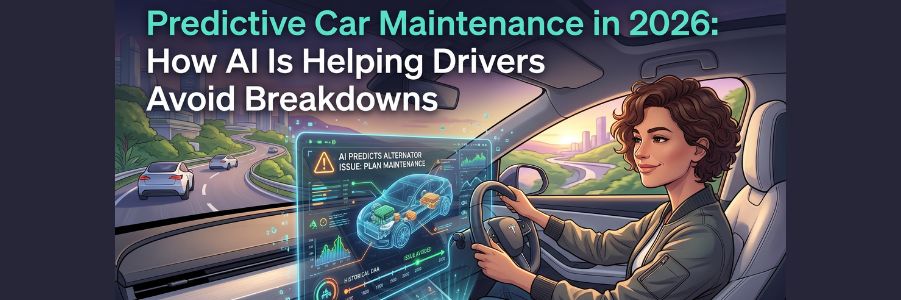
Car maintenance in 2026 is becoming smarter than ever. Thanks to artificial intelligence (AI), modern vehicles can now detect problems before major breakdowns happen. Instead of waiting for warning lights or unexpected failures, predictive maintenance systems help drivers identify issues early and reduce expensive repairs.
This technology is especially valuable when it comes to preventing major component failures involving a Used Engine or used transmission replacement. By detecting wear patterns early, AI systems can help vehicle owners save money, avoid downtime, and extend vehicle life.
Let’s explore how predictive car maintenance works in 2026-and why it’s changing the future of vehicle ownership.
What Is Predictive Car Maintenance?
Predictive maintenance uses AI, sensors, and real-time data to monitor vehicle health continuously.
Instead of Reactive Repairs:
Old approach:
- Wait until something breaks
New AI approach:
- Detect problems early
- Predict failures before they happen
This allows drivers to fix small issues before they become major repairs.
How AI Monitors Modern Vehicles
Modern vehicles contain dozens of sensors collecting data every second.
AI Tracks:
- Engine performance
- Transmission behavior
- Battery health
- Brake wear
- Fluid temperatures
- Fuel efficiency
- Driving habits
The system analyzes this data to identify unusual patterns.
How AI Helps Prevent Engine Failure
Engine replacement remains one of the most expensive repairs.
AI Can Detect:
- Abnormal engine temperatures
- Misfires
- Oil pressure changes
- Excessive vibration
- Fuel system irregularities
By spotting problems early, drivers may avoid needing a costly Used Engine replacement later.
AI and Transmission Health Monitoring
Modern transmissions are highly complex.
Predictive Systems Monitor:
- Shift timing
- Fluid temperature
- Gear slipping
- Torque converter behavior
This helps drivers address problems before complete failure occurs-reducing the likelihood of needing a used transmission replacement.
Smart Alerts and Mobile Apps
Many 2026 vehicles now connect directly to smartphone apps.
Drivers Receive Alerts Like:
- “Transmission fluid temperature high”
- “Engine performance abnormal”
- “Brake wear detected”
- “Battery health declining”
This real-time communication improves maintenance timing dramatically.
Benefits of Predictive Maintenance
- Fewer Unexpected Breakdowns: AI detects issues before major failures occur.
- Lower Repair Costs: Small repairs are far cheaper than replacing major components.
- Longer Vehicle Lifespan: Early maintenance helps engines and transmissions last longer.
- Improved Safety: Preventing failures reduces roadside emergencies and accidents.
- Better Fuel Efficiency: Healthy vehicles operate more efficiently.
Components Most Commonly Monitored by AI
- Engine System: Tracks performance and internal stress.
- Transmission: Monitors shifting quality and fluid condition.
- Battery System: Especially important in EVs and hybrids.
- Brakes and Suspension: Detects wear before safety becomes compromised.
Common Problems AI Can Predict Early
Engine Problems:
- Oil leaks
- Cooling system failures
- Timing issues
- Fuel injector problems
Transmission Problems:
- Delayed shifting
- Overheating
- Fluid contamination
- Internal wear
Electrical Issues:
- Weak battery
- Sensor failures
- Charging system problems
Why Predictive Maintenance Matters More in 2026
Vehicles today are more advanced—and more expensive to repair.
Modern Cars Include:
- Complex electronics
- Advanced transmissions
- Turbocharged engines
- Hybrid systems
Without early detection, repair costs can rise quickly.
How AI Helps Drivers Save Money
Major repairs often happen because small warning signs were ignored.
Example:
Small transmission issue ignored:
- Complete failure
- Expensive used transmission replacement
AI helps prevent this progression.
Used Engines and Predictive Maintenance
Drivers who install a Used Engine benefit greatly from predictive monitoring.
Why?
Used engines may already have mileage and wear history. AI systems help monitor performance closely and catch issues before damage worsens.
This improves reliability and extends engine life significantly.
How Repair Shops Use AI Diagnostics
Repair shops now use advanced AI tools for diagnostics.
Benefits:
- Faster troubleshooting
- More accurate repairs
- Better maintenance planning
This reduces guesswork and unnecessary repairs.
Limitations of Predictive Maintenance
While AI is powerful, it’s not perfect.
AI Cannot:
- Prevent all mechanical failures
- Replace routine inspections entirely
- Fix poor driving habits
Drivers still need regular maintenance and inspections.
How Drivers Can Maximize Predictive Maintenance
- Keep Software Updated: Vehicle systems improve through updates.
- Don’t Ignore Alerts: Early warnings should be addressed quickly.
- Maintain Fluids Properly: Clean oil and transmission fluid remain critical.
- Drive Smoothly: Aggressive driving increases wear despite AI monitoring.
Future of AI in Car Maintenance
Experts predict even smarter systems ahead.
Future Features May Include:
- Automatic repair scheduling
- Self-diagnosing components
- AI-powered roadside support
- Real-time repair cost estimation
Predictive maintenance will continue becoming more advanced and accurate.
Common Driver Mistakes
- Ignoring warning notifications
- Delaying recommended service
- Assuming AI eliminates maintenance needs
- Skipping fluid changes
Technology helps-but maintenance still matters.
Final Thoughts
Predictive car maintenance is transforming vehicle ownership in 2026. AI-powered systems now help drivers detect problems early, reduce repair costs, and avoid major breakdowns before they happen.
This is especially important for protecting expensive components like a Used Engine or used transmission, where early diagnosis can prevent catastrophic failures and save thousands of dollars.
While AI cannot replace proper maintenance completely, it gives drivers a powerful advantage in keeping vehicles reliable, efficient, and on the road longer than ever before.