
How Subscription-Based Vehicle Maintenance Programs Are Changing Car Ownership
June 8, 2026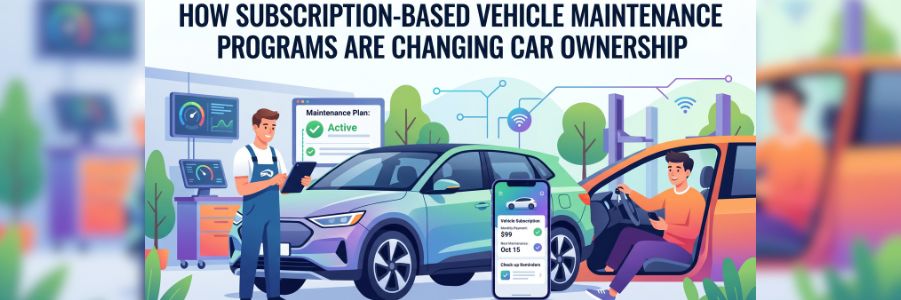
The automotive industry is evolving rapidly in 2026, and one of the most significant changes affecting drivers is the rise of subscription-based vehicle maintenance programs. Traditionally, vehicle owners paid for repairs and maintenance only when problems occurred. Today, many dealerships, manufacturers, fleet operators, and third-party service providers offer monthly maintenance subscriptions that bundle routine services, inspections, and repair benefits into a predictable payment plan.
As vehicle technology becomes more complex and repair costs continue to increase, subscription maintenance programs are reshaping how people approach car ownership. At the same time, many drivers are seeking cost-effective repair solutions such as affordable used engines and quality used transmission replacements when major components fail.
This article explores how subscription-based maintenance programs are changing vehicle ownership and what drivers should know before enrolling.
What Are Subscription-Based Vehicle Maintenance Programs?
Subscription maintenance programs allow vehicle owners to pay a recurring monthly fee in exchange for various maintenance and repair services.
Typical plans may include:
- Oil changes
- Tire rotations
- Brake inspections
- Battery testing
- Fluid checks
- Diagnostic scans
- Scheduled maintenance services
- Roadside assistance
Some premium programs even cover selected repairs and replacement parts.
The goal is to simplify vehicle maintenance while providing predictable ownership costs.
Why These Programs Are Growing in Popularity
Several factors are driving adoption in 2026.
Rising Repair Costs
Modern vehicles contain advanced systems such as:
- Driver-assistance technologies
- Hybrid powertrains
- AI-based diagnostics
- Electronic transmissions
- Connected vehicle systems
Repairing these systems can be expensive.
Many owners appreciate the financial predictability of a monthly maintenance subscription.
Budget-Friendly Ownership
Unexpected repair bills often place stress on household budgets.
Subscription programs allow drivers to:
- Spread maintenance costs over time
- Avoid large surprise expenses
- Improve financial planning
This predictable structure appeals to many consumers.
How Subscription Plans Benefit Vehicle Owners
Regular Preventive Maintenance
Routine maintenance is one of the best ways to extend vehicle lifespan. Subscription programs encourage:
- Timely oil changes
- Scheduled inspections
- Fluid replacements
- Tire maintenance
As a result, vehicles often experience fewer major breakdowns.
Improved Vehicle Reliability
Regular inspections help identify small issues before they become expensive problems.
Technicians can detect:
- Cooling system concerns
- Battery deterioration
- Brake wear
- Suspension issues
Early intervention reduces repair costs over time.
Convenience
Many subscription programs offer:
- Online scheduling
- Digital service records
- Maintenance reminders
- Mobile service options
These features simplify vehicle ownership.
The Role of Technology in Maintenance Programs
Modern subscription services rely heavily on connected vehicle technology. Advanced systems can monitor:
- Engine performance
- Transmission health
- Battery condition
- Tire pressure
- Fluid levels
Some vehicles automatically notify service providers when maintenance is needed.
This proactive approach helps prevent breakdowns before they occur.
How Predictive Maintenance Is Changing Repairs
Predictive maintenance is becoming increasingly common.
Using vehicle data and artificial intelligence, service providers can identify developing issues before symptoms become noticeable.
Examples include:
- Engine performance abnormalities
- Transmission wear indicators
- Cooling system inefficiencies
- Battery degradation trends
This technology helps improve reliability while reducing repair costs.
What Happens When Major Components Fail?
While maintenance programs cover many routine services, they do not always include major repairs. Components such as:
- Engines
- Transmissions
- Hybrid systems
may require separate repair or replacement.
This is where many drivers seek cost-effective alternatives.
Why Affordable Used Engines Are Becoming More Popular
When an engine fails, replacement costs can be substantial.
Many vehicle owners choose affordable used engines because they offer:
- Significant cost savings
- OEM compatibility
- Faster availability
- Reliable performance when properly inspected
Used engines allow drivers to extend vehicle life without the expense of purchasing a new vehicle.
The Value of a Quality Used Transmission
Transmission replacement is often one of the most expensive automotive repairs.
Choosing a quality used transmission can provide several benefits:
- Lower Costs: Used transmissions typically cost much less than new factory units.
- OEM Engineering: Original manufacturer components ensure proper fitment and compatibility.
- Faster Repairs: Many used transmissions are readily available from reputable suppliers.
- Proven Reliability: Low-mileage units often provide years of dependable service.
For budget-conscious vehicle owners, used transmissions offer an attractive solution.
Challenges of Subscription Maintenance Programs
While these programs offer many benefits, they are not perfect.
Potential limitations include:
Coverage Restrictions
Not all repairs are included. Some plans exclude:
- Major mechanical failures
- Collision damage
- Wear-and-tear items
Drivers should review coverage details carefully.
Long-Term Costs
Monthly payments may exceed the cost of occasional maintenance for low-mileage drivers.
Provider Dependence
Most programs require servicing at specific locations. This may reduce flexibility for some owners.
Benefits for Fleet Operators
Fleet managers are increasingly adopting subscription maintenance programs.
Advantages include:
- Predictable maintenance budgeting
- Reduced downtime
- Centralized service tracking
- Improved vehicle reliability
For commercial fleets, these programs simplify maintenance management significantly.
How Vehicle Manufacturers Benefit
Manufacturers also gain advantages.
Subscription maintenance programs help:
- Build customer loyalty
- Improve service retention
- Generate recurring revenue
- Increase customer engagement
This business model is becoming an important part of the automotive industry.
Sustainability Advantages
Preventive maintenance supports sustainability by:
- Extending vehicle lifespan
- Reducing premature vehicle replacement
- Improving fuel efficiency
- Lowering waste generation
When combined with repair solutions such as affordable used engines and quality used transmissions, vehicle owners can significantly reduce environmental impact.
Future Trends in Vehicle Ownership
Industry experts expect subscription services to continue expanding.
Future offerings may include:
- AI-driven maintenance recommendations
- Remote diagnostics
- Personalized service plans
- Integrated insurance options
- Predictive repair scheduling
These innovations will further transform vehicle ownership experiences.
Is a Subscription Maintenance Program Right for You?
The answer depends on several factors:
- Annual mileage
- Vehicle age
- Budget preferences
- Maintenance habits
- Repair risk tolerance
Drivers who value convenience and predictable costs may find substantial benefits.
Those with older vehicles should compare subscription costs against potential repair expenses.
Final Thoughts
Subscription-based vehicle maintenance programs are changing car ownership by making maintenance more predictable, convenient, and proactive. Through regular inspections, connected vehicle technology, and predictive diagnostics, these programs help reduce unexpected breakdowns and improve long-term reliability.
However, major repairs can still occur, making cost-effective solutions such as affordable used engines and quality used transmission replacements important considerations for many vehicle owners. As automotive technology continues evolving, subscription maintenance programs are likely to play an increasingly important role in how drivers manage vehicle ownership in 2026 and beyond.