
How to Make Your Car Last 250,000+ Miles with Preventive Maintenance in 2026
April 28, 2026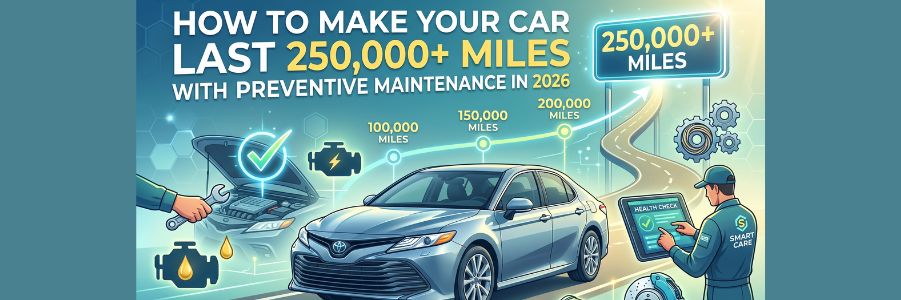
Reaching 250000 miles used to be rare. In 2026, it’s absolutely possible-if you maintain your vehicle correctly. Many modern cars and trucks can last far beyond 200k miles when owners stay ahead of wear items, fix small problems early, and avoid neglect.
The difference between a car that dies at 120,000 miles and one that reaches 250000 often comes down to preventive maintenance. In some cases, even major repairs like installing a Used Engine or used transmission can be smarter than replacing the whole vehicle.
In this guide, we’ll cover the best habits to help your car reach 250k miles and beyond.
Why Some Cars Last Longer Than Others
Longevity depends on more than brand reputation.
Biggest Factors:
- Consistent maintenance
- Driving habits
- Climate conditions
- Quality repairs
- Fluid changes
- Fast attention to warning signs
A well-maintained average car often outlasts a neglected “reliable” one.
1. Change Oil on Time-Always
Engine oil is the lifeblood of your car.
Why It Matters:
- Reduces wear
- Prevents sludge buildup
- Protects timing components
- Helps cooling and efficiency
Skipping oil changes is one of the fastest ways to shorten engine life.
2. Keep Cooling System Healthy
Overheating can destroy an engine quickly.
Maintain:
- Coolant level and condition
- Radiator hoses
- Water pump
- Thermostat
- Cooling fans
Many engines fail early because of one overheating event.
3. Service the Transmission
Your gearbox needs maintenance too.
Do Not Ignore:
- Delayed shifting
- Slipping
- Jerking
- Burnt fluid smell
Routine service helps avoid expensive failure and can delay the need for a used transmission replacement.
4. Fix Small Leaks Early
Small leaks become big repairs.
Common Leaks:
- Engine oil
- Coolant
- Transmission fluid
- Power steering fluid
Early repair protects major components.
5. Replace Filters Regularly
Cheap filters protect expensive systems.
Important Filters:
- Engine air filter
- Cabin filter
- Fuel filter (if applicable)
- Transmission filter (where serviceable)
6. Don’t Ignore Warning Lights
A steady check engine light often starts as a minor issue.
Delay Can Cause:
- Sensor damage leading to converter failure
- Misfires harming engine internals
- Fuel economy loss
- Larger repair bills
Scan problems early.
7. Drive Smoothly
Aggressive driving shortens component life.
Reduce Wear By:
- Gentle acceleration
- Smooth braking
- Avoiding repeated hard launches
- Letting engine warm briefly in extreme cold
8. Protect Suspension and Tires
Bad roads damage more than comfort.
Maintain:
- Tire pressure
- Wheel alignment
- Shocks/struts
- Ball joints
- Bushings
This improves safety and saves other parts.
9. Use Quality Parts and Fluids
Cheap parts can fail early.
Worth Spending On:
- Fluids
- Belts
- Hoses
- Brake parts
- Sensors from trusted brands
10. Wash the Car, Especially Undercarriage
Rust kills many cars before engines fail.
Especially Important In:
- Snow/salt regions
- Coastal areas
- Muddy climates
Protecting the body helps justify long-term repairs later.
11. Keep Records
Maintenance history helps you stay on schedule and adds resale value.
Track:
- Oil changes
- Tire rotations
- Battery age
- Brake work
- Fluid services
12. Repair Instead of Replace-When It Makes Sense
Many paid-off vehicles are worth saving.
Examples:
If body, suspension, and interior are solid, installing a Used Engine or used transmission may cost far less than buying another vehicle.
This can extend ownership by years.
Habits That Kill Cars Early
- Ignoring overheating
- Driving low on oil
- Never servicing transmission
- Slamming potholes regularly
- Delaying warning lights
- Cheap low-quality repairs
- Constant short trips with no warmup cycles
Smart Money Strategy in 2026
Car prices remain high. Keeping a dependable vehicle running can be one of the best financial decisions.
A properly maintained older car with a Used Engine or used transmission may still cost far less than years of monthly payments.
Signs Your Car Can Reach 250k+
Good candidates usually have:
- Strong maintenance history
- No severe rust
- Healthy transmission behavior
- Stable cooling system
- Manageable repair needs
- Readily available parts
Pro Tips for High Mileage Success (Every Month, Every Year, Every Problem)
Every Month:
- Check fluids
- Inspect tires
- Listen for new noises
All Year:
- Alignment check
- Battery test
- Cooling system inspection
Every Problem:
- Fix it while small.
Final Thoughts
Making your car last 250000 miles in 2026 is realistic with disciplined preventive maintenance. Oil changes, cooling care, transmission service, leak repair, and fast response to warning signs make the biggest difference.
And when a major component eventually wears out, a Used Engine or used transmission can sometimes be the smartest way to keep a reliable vehicle on the road.
Take care of your car early, and it can reward you for years longer than most owners expect.