
AI Car Diagnostics in 2026: How Smart Maintenance Tools Are Preventing Major Breakdowns Early
May 12, 2026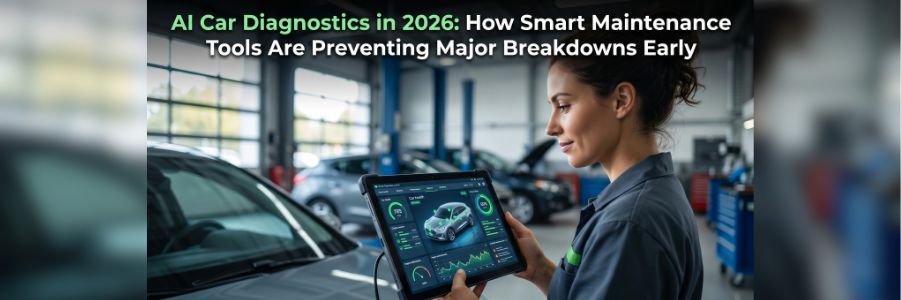
Vehicle technology has changed dramatically over the past few years, and in 2026 artificial intelligence is transforming the way drivers maintain their cars. Modern vehicles are now smarter than ever, using advanced sensors, predictive software, and AI-powered diagnostic systems to detect problems before major breakdowns happen.
Instead of waiting for a warning light or serious mechanical failure, many drivers now rely on smart maintenance systems that identify issues early and recommend repairs before damage becomes severe. This technology is helping vehicle owners avoid expensive repairs, reduce downtime, and extend vehicle lifespan.
At the same time, AI diagnostics are also helping drivers decide when replacing a Used Engine or used transmission may be more cost-effective than continuing repeated repairs.
This guide explains how AI car diagnostics work in 2026, why they are becoming so popular, and how they are helping drivers prevent major automotive failures early.
What Are AI Car Diagnostics?
AI car diagnostics use:
- Artificial intelligence
- Vehicle sensors
- Real-time monitoring
- Predictive analytics
To analyze vehicle performance continuously.
Unlike traditional diagnostic systems that only detect existing faults, AI systems can predict future failures before they happen.
How AI Diagnostics Work
Modern vehicles generate massive amounts of data every second. AI systems analyze information from:
- Engine sensors
- Transmission controls
- Fuel systems
- Cooling systems
- Battery management
- Driving behavior
The software identifies unusual patterns that may indicate developing problems.
Why Predictive Maintenance Is Growing in 2026
Vehicle repairs are becoming more expensive every year. Drivers now want:
- Earlier problem detection
- Lower repair costs
- Fewer roadside breakdowns
- Better vehicle reliability
AI-powered maintenance systems help achieve these goals.
Common Problems AI Systems Detect Early
AI diagnostics can identify many issues before severe damage occurs.
Common Examples Include:
- Engine overheating risks
- Transmission slipping
- Battery degradation
- Fuel injector problems
- Cooling system failures
- Oil pressure abnormalities
Early detection often prevents catastrophic failures.
AI Engine Monitoring Is Becoming More Advanced
Modern AI systems continuously monitor:
- Oil temperature
- Engine vibration
- Fuel efficiency
- Combustion irregularities
If abnormal behavior appears, the system alerts the driver immediately.
This helps prevent major engine damage that could require replacing a Used Engine later.
AI Transmission Diagnostics Are Reducing Failures
Transmission repairs are among the most expensive automotive repairs in 2026.
AI systems now monitor:
- Shift timing
- Fluid temperature
- Clutch performance
- Torque behavior
These systems can often predict transmission wear months before complete failure occurs.
This allows drivers to service or replace a used transmission before severe damage spreads.
Connected Vehicle Technology Is Improving Diagnostics
Many vehicles now connect directly to:
- Smartphone apps
- Cloud-based systems
- Dealer service networks
This allows:
- Real-time diagnostics
- Remote software updates
- Instant maintenance alerts
Drivers receive repair recommendations much earlier than before.
Smartphone Apps Are Making Vehicle Monitoring Easier
Modern car apps now provide:
- Engine health reports
- Battery condition updates
- Tire pressure monitoring
- Transmission alerts
Some apps even estimate repair urgency and cost ranges.
Why AI Diagnostics Help Reduce Repair Costs
Small mechanical problems become expensive when ignored. AI systems help by:
- Catching issues early
- Preventing secondary damage
- Reducing emergency breakdowns
- Extending component lifespan
Preventive maintenance is usually far cheaper than major repairs.
Fleet Companies Are Using AI Maintenance Aggressively
Commercial fleets now depend heavily on predictive maintenance.
Benefits Include:
- Reduced downtime
- Lower repair expenses
- Better fuel efficiency
- Improved safety
Fleet success is helping push AI maintenance into consumer vehicles faster.
Warning Signs AI Systems Detect Before Drivers Notice
Drivers often ignore early symptoms. AI systems may detect:
- Minor RPM fluctuations
- Tiny vibration changes
- Slight temperature increases
- Small pressure variations
These subtle signs often appear long before major breakdowns happen.
Hybrid and EV Diagnostics Are Expanding Rapidly
AI diagnostics are especially important for:
- Hybrid vehicles
- Electric vehicles
- Advanced turbocharged engines
These systems contain more electronics and require sophisticated monitoring.
Why More Drivers Are Keeping Vehicles Longer
New vehicle prices remain very high in 2026. As a result:
- More drivers maintain older vehicles
- Engine replacements are increasing
- Demand for predictive maintenance is growing
AI diagnostics help older vehicles remain reliable longer.
AI Helps Drivers Decide Between Repair or Replacement
One major advantage of AI diagnostics is repair forecasting. The system may help determine:
- Whether repairs are worth continuing
- If replacing a Used Engine is smarter
- Whether a failing used transmission should be replaced early
This improves long-term cost planning.
How Used Engines Benefit from Predictive Maintenance
Drivers using replacement engines benefit from:
- Better maintenance tracking
- Earlier warning alerts
- Improved longevity monitoring
AI systems help maximize the lifespan of replacement drivetrains.
Common Mistakes Drivers Still Make
Even with advanced technology, some drivers still:
- Ignore warning alerts
- Delay maintenance
- Skip fluid changes
- Continue driving overheating vehicles
AI tools work best when drivers respond quickly to alerts.
Heat Monitoring Is One of AI’s Biggest Advantages
Extreme temperatures damage:
- Engines
- Transmissions
- Cooling systems
- Batteries
AI systems now track heat buildup more accurately than older warning systems.
Repair Costs Continue Rising in 2026
Modern repairs are expensive because vehicles now contain:
- Advanced electronics
- Turbo systems
- AI-assisted controls
- Complex transmission systems
Preventive maintenance is more valuable than ever.
Tips to Get the Most from AI Diagnostics
- Keep Vehicle Software Updated: Software updates improve diagnostic accuracy.
- Respond to Alerts Quickly: Early repairs cost less.
- Monitor Fluid Health Regularly: AI still depends on proper maintenance.
- Use Quality Replacement Components: Reliable engines and transmissions improve long-term system accuracy.
Signs Your Vehicle Needs Immediate Inspection
Seek inspection quickly if AI systems report:
- Persistent overheating
- Transmission slipping
- Oil pressure problems
- Severe battery degradation
- Repeated sensor faults
Early intervention prevents catastrophic failure.
Future of AI Vehicle Maintenance
Industry experts expect future systems to include:
- Self-scheduling maintenance
- Fully predictive repairs
- AI-driven repair recommendations
- Advanced remote diagnostics
Vehicle maintenance will become increasingly automated.
Final Thoughts
AI car diagnostics are changing vehicle maintenance in 2026 by helping drivers detect mechanical problems long before major breakdowns occur. Through predictive analytics, real-time monitoring, and connected vehicle technology, AI systems are reducing repair costs and improving long-term vehicle reliability.
For drivers managing aging vehicles, these tools also help determine when replacing a Used Engine or used transmission may be the most cost-effective solution.
As automotive technology continues advancing, AI-powered maintenance will play an even bigger role in preventing expensive failures and extending vehicle lifespan for years to come.